
Why AB-900 Is NOT Just Another Fundamentals Certification
At first glance, AB-900 looks like just another fundamentals certification, but anyone who’s been around Microsoft certifications for a while will sense something different. For years, MS-900 was the go-to starting point for new professionals entering the Microsoft ecosystem. It emphasized understanding products, basic licensing, and familiarizing oneself with Microsoft 365 services. AB-900, however, quietly pivots the conversation from product awareness to organizational responsibility in an AI-driven enterprise.
Many professionals assume AB-900 simply replaced MS-900. That’s true in one sense—it covers similar breadth—but misses the nuance. MS-900 focused on “what Microsoft products do,” while AB-900 asks candidates to think about how Microsoft technologies impact business operations, compliance, and AI governance. It’s less about memorizing what’s in Teams, SharePoint, or Exchange, and more about understanding who should do what, where data should reside, and how AI should be responsibly managed.

That shift matters. It reflects Microsoft’s recognition that in today’s workplace, it’s not enough to know software capabilities. Enterprises increasingly expect administrators and operators to act as guardians of data, compliance, and AI-driven workflows. AB-900 implicitly signals that a modern Microsoft professional isn’t just a tech user—they’re an organizational custodian. That mindset is subtle but powerful, and it usually surfaces during deployment scenarios rather than theoretical discussions.
Misconceptions About AB-900 vs MS-900
One recurring misunderstanding among IT teams is treating AB-900 as a minor update. They look at objectives, see familiar terminology, and assume it’s a simple MS-900 replacement. Experienced consultants quickly realize the exam’s contextual framing is different. Questions are often scenario-based: candidates must weigh compliance impacts, governance decisions, and AI risk mitigation. That’s a notable departure from MS-900’s checklist-style coverage of Microsoft 365 features.
From Productivity Tools to AI-Assisted Business Operations
Another point that often goes unnoticed is how AB-900 positions Microsoft 365 Copilot in enterprise workflows. Rather than simply asking if a candidate knows what Copilot is, the exam expects an understanding of who manages AI access, how sensitive data is protected, and what governance protocols are required. For instance, a Microsoft 365 administrator enabling Copilot for a pilot group may find the technical deployment trivial, but the real work happens reviewing legacy SharePoint permissions and ensuring sensitive customer data is classified correctly. AB-900 captures that operational reality, emphasizing responsibility over mere familiarity.
🔍 The Most Overlooked Signal Inside AB-900
Few candidates notice that the largest departure from previous fundamentals exams isn’t AI itself—it’s responsibility. AB-900 forces attention on governance, compliance, security, and information protection in ways MS-900 never did. These areas were usually left to specialized tracks like SC-900 or SC-300. Now, fundamentals-level candidates must at least grasp the operational boundaries that keep enterprises safe.
Governance and Compliance Focus
AB-900 places governance at the forefront. Rather than asking “What is Conditional Access?” it frames scenarios where administrators decide whether certain policies should apply, weighing organizational risk versus productivity trade-offs. Experienced professionals notice this immediately: “Most exam reviews focus on product features,” one colleague said, “but AB-900 is really testing if you understand governance consequences.” Compliance isn’t just a checkbox; it’s integrated into AI deployment and business workflow planning.
Security Boundaries and Information Protection
Security boundaries are another subtle but critical theme. Candidates may know how to assign roles or configure permissions, but AB-900 tests understanding of how those decisions affect enterprise exposure. Consider a real-world situation: a security team approves Copilot access for an E5-licensed organization, but then pauses rollout after discovering sensitive customer info stored in unclassified locations. These operational realities are precisely the kind of scenarios AB-900 evaluates, moving beyond product mechanics to practical enterprise stewardship.
Responsible AI Usage as a Core Theme
Perhaps the most striking element is the emphasis on responsible AI usage. It’s not about knowing AI models or understanding natural language processing—it’s about what governance frameworks, data policies, and ethical boundaries need to be in place for AI deployment. Few candidates realize this, but it aligns with Microsoft’s broader enterprise messaging: AI in the workplace isn’t a tool; it’s a capability that comes with oversight obligations.
🤖 AB-900 Is Closer to Enterprise AI Operations Than Most People Realize
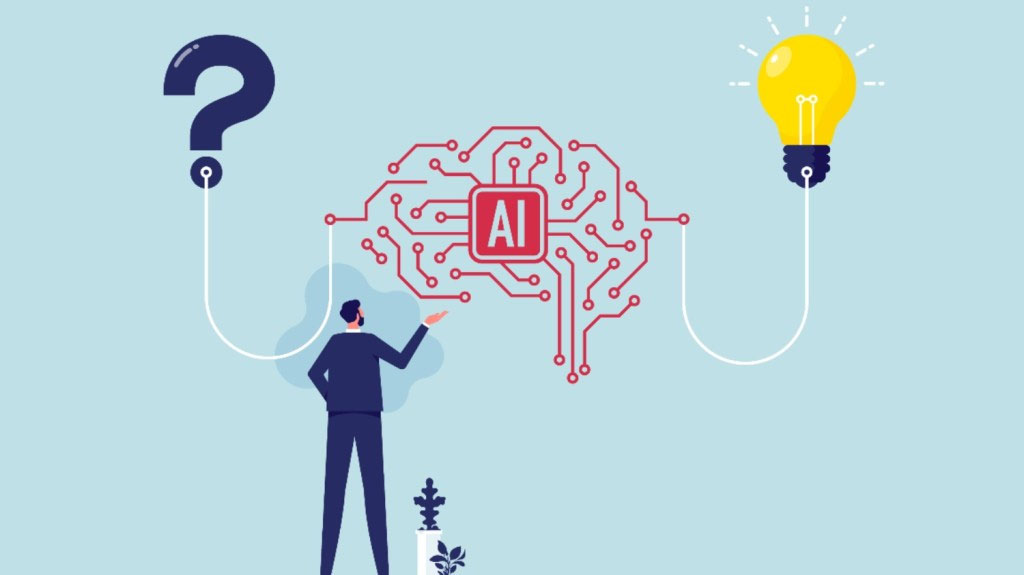
AB-900 bridges the gap between AI conceptual knowledge and operational deployment realities. It’s where AI-900, focused on understanding AI concepts and services, meets the nitty-gritty of managing enterprise AI workflows.
Comparing AI-900 and AB-900
Where AI-900 asks, “Do you understand AI principles and services?” AB-900 asks, “Can you govern them responsibly in a business context?” AI-900 is conceptual; AB-900 is operational. For example, while AI-900 might explore what Copilot can do for productivity, AB-900 tests whether you can ensure only authorized users access sensitive AI features, balancing innovation with compliance.
| Perspective | AI-900 / AI-901 | AB-900 |
|---|---|---|
| Primary Focus | Understanding AI concepts, capabilities, and Microsoft AI services | Understanding how AI operates within enterprise environments |
| Core Question | What can AI do? | How should AI be governed and managed? |
| Learning Orientation | Conceptual | Operational |
| Typical Topics | AI workloads, machine learning fundamentals, generative AI concepts | Copilot administration, governance, compliance, information protection |
| Success Criteria | Understanding AI technologies | Applying AI responsibly in business contexts |
| Enterprise Challenge | Choosing and understanding AI solutions | Managing permissions, risk, data access, and organizational readiness |
| Closest Concern | AI capability | AI accountability |
Operational vs Conceptual AI Challenges
In practice, these challenges emerge during deployments. One organization with Microsoft 365 E5 licensing found that technical rollout was straightforward. The real bottleneck was determining which teams should be allowed to create AI agents, how to segment data for security, and how to implement review protocols. AB-900 subtly tests whether candidates can navigate these operational nuances—something traditional fundamentals exams never did.
Organizational Readiness and Security Controls
AB-900 also nudges candidates to think about organizational readiness. It’s not just IT; it’s governance, HR, compliance, and line-of-business leaders. Security controls, auditing, and information protection frameworks all come into play. By the time professionals attempt AB-900, many realize that understanding business workflows is just as important as knowing the product features, which is exactly the point Microsoft is making about modern professional expectations.
📊 Why AB-900 Surprises Experienced Microsoft Professionals
It helps to visualize the gap between expectations and reality. Here’s a table reflecting common observations:
| What Candidates Expect | What AB-900 Actually Tests |
|---|---|
| Product awareness | Business workflows |
| Feature familiarity | Governance decisions |
| Productivity tools | AI operational readiness |
| Microsoft basics | Cross-domain understanding |
Commentary on Candidate Observations
Experienced professionals often report a “wait, that’s in a fundamentals exam?” moment when encountering AB-900’s scenario questions. One subtlety: the exam assumes familiarity with other certifications like SC-900 or AI-900(AI-901) indirectly. It doesn’t teach these subjects—it tests whether candidates can apply them in realistic enterprise scenarios. That’s usually where the discussion changes from “this is a simple fundamentals exam” to “this is a blueprint for modern Microsoft professional expectations.”
🛡️ The Rise of Governance-Centric Microsoft Careers
AB-900 doesn’t exist in a vacuum; it reflects a broader career evolution within Microsoft technologies.
Traditional Microsoft Era
────────────────────────────────────

Help Desk
    ↓
Microsoft 365 Administrator
    ↓
Exchange / Teams Specialist
    ↓
System Administrator

Focus:
• Product Knowledge
• Configuration
• Licensing
• Troubleshooting


AI & Copilot Era
────────────────────────────────────

Help Desk
    ↓
Microsoft 365 Administrator
    ↓
Copilot Administrator
    ↓
Governance & Compliance Specialist
    ↓
AI Operations & Information Protection Roles

Focus:
• Governance
• Data Protection
• AI Readiness
• Compliance
• Organizational Responsibility
Copilot Administrators and Compliance Specialists
For example, Copilot administrators now face dual responsibilities: configuring AI features while enforcing compliance and data protection standards. Similarly, compliance specialists increasingly need a working understanding of AI’s role in workflows, not just static policies. AB-900 validates this dual competency, signaling the rise of roles where technology and governance intersect.
Security Governance and Information Protection Roles
Security governance teams are expanding responsibilities, blending SC-300, SC-401, and MS-102 competencies into a practical oversight function. AB-900 implicitly prepares candidates for these hybrid roles by exposing them to realistic operational challenges rather than hypothetical labs. That conversation tends to surface much later than expected—usually when AI rollout has begun and policy gaps emerge.
💡 The Bigger Story Behind AB-900
Ultimately, AB-900 is less about the exam and more about what it signifies. Microsoft is reshaping professional expectations: knowledge of products alone no longer suffices. Understanding organizational responsibilities, AI governance, and cross-functional workflows is now central to professional competency.
Few certifications articulate this shift at the fundamentals level. AB-900 quietly signals that responsibility is the new baseline. The exam is an early indicator of where enterprise IT is headed: professionals must integrate technical expertise with governance, compliance, and AI operational readiness. For those paying attention, this is where career differentiation begins.
Some candidates use scenario-based practice resources, including Leads4Pass AB-900 materials, to see how governance, compliance, Copilot administration, and security concepts intersect in realistic enterprise environments. This isn’t about memorizing objectives—it’s about building a mental model of operational decision-making in AI-augmented Microsoft 365 deployments.
Practical Enterprise Scenario Example
A help desk manager expected AI to reduce ticket volume after enabling Copilot. Instead, new questions emerged around permissions, governance ownership, and sensitive data exposure. That’s the operational reality AB-900 emphasizes: technology adoption without governance is incomplete adoption.
Organizational Insight
Another enterprise discovered that deploying Copilot was trivial technically. The challenge arose in reconciling legacy SharePoint permissions with modern AI access controls—a detail most traditional exams overlook. AB-900 prepares professionals for these kinds of practical operational dilemmas rather than hypothetical theory.
Author

