
Microsoft DP-750 in 2026: The Azure Databricks Certification Data Engineers Should Understand Before Taking It
Azure data engineers are facing a different certification decision in 2026: not just which exam to pass, but which data platform direction matches the future of their work. Microsoft DP-750 represents a stronger focus on Azure Databricks skills as modern data architectures move beyond traditional ETL pipelines.
DP-750 Arrives at a Different Moment for Data Engineers
The biggest question around Microsoft DP-750 in 2026 is not whether Azure Databricks is popular. The more important question is whether Databricks-based engineering matches the direction your organization is moving toward. Data teams are increasingly expected to build platforms that support analytics, machine learning, governance, and AI workloads together, which requires a different mindset from maintaining isolated ETL jobs.
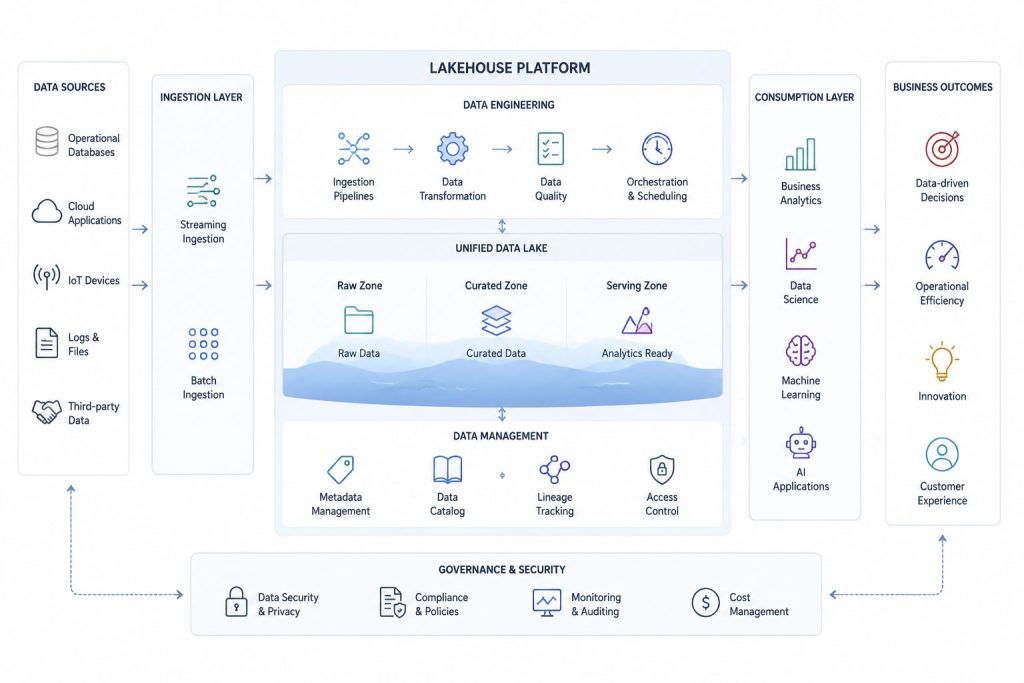
Traditional data engineering was often centered around moving data from one location to another. Pipelines extracted information from operational databases, transformed it according to business rules, and loaded it into warehouses. That model still exists, but enterprise environments now demand more flexibility. Data engineers are increasingly working with distributed processing, cloud-native storage, real-time analytics, and governed data access.
This is the environment where Azure Databricks has gained importance. Microsoft positions Databricks as part of its broader Azure data ecosystem, combining Apache Spark processing, Delta Lake storage capabilities, and enterprise governance features. The Microsoft DP-750 certification reflects this shift by focusing on skills needed to design and manage data engineering solutions using Azure Databricks rather than simply validating knowledge of individual tools.
The reason this matters for candidates is that certifications increasingly represent technology direction. A certification attached to a growing platform can indicate where Microsoft expects cloud data workloads to evolve. However, the decision to pursue DP-750 should not come from certification popularity alone. It should come from understanding whether your current role, future projects, or target employers are moving toward Databricks-based architectures.
What DP-750 Actually Measures Beyond the Certification Name
A common mistake with new certifications is focusing too much on the exam title and not enough on the engineering problems behind it. Microsoft DP-750 is not simply about memorizing Azure Databricks terminology. The deeper purpose is understanding how a modern cloud data platform operates when it becomes part of a production environment.
Working with Azure Databricks requires more than knowing Apache Spark commands. Writing Spark transformations in a notebook is only one small part of the job. A professional data engineer also needs to understand how data is organized, how workloads scale, how access is controlled, and how reliability is maintained.
Concepts such as Delta Lake, Unity Catalog, and data pipeline orchestration matter because they solve real enterprise challenges. A company does not simply need a script that processes data once. It needs repeatable workflows, controlled permissions, reliable data quality, and an architecture that can support future requirements.
This distinction separates beginner-level familiarity from professional capability. Knowing Spark syntax is different from understanding how a production data platform operates. DP-750 aligns more closely with the second category because it connects technical components into an engineering approach.
The certification also reflects the growing importance of governance. As organizations expand their use of analytics and AI, controlling data access becomes as important as processing data quickly. A modern data engineer must think about who can access information, how changes are tracked, and whether datasets can be trusted by downstream users.
For candidates evaluating the DP-750 certification, the key question should be:
“Am I learning a tool, or am I learning how modern data platforms are designed?”
The answer determines whether the certification creates long-term value.
The Reality Check Candidates Need Before Choosing DP-750
New certifications often create uncertainty because the market has not yet developed years of shared experience around preparation strategies. DP-750 candidates face a different situation compared with established Microsoft exams that have extensive communities, training courses, and preparation discussions.
One recurring concern in Microsoft community conversations and professional forums is resource maturity. Candidates often find that newer certification paths require more effort to connect official learning objectives with practical workplace scenarios. The challenge is not necessarily finding documentation about Databricks. The challenge is understanding how separate technical concepts combine into a complete engineering workflow.
Another concern is experience expectations. Some candidates approach DP-750 assuming it is another entry point into cloud technology. However, Azure Databricks sits within a broader data engineering ecosystem. Without SQL knowledge, data modeling understanding, and familiarity with cloud concepts, the learning curve can become significantly harder.
There is also confusion about where DP-750 fits compared with other Microsoft data certifications. The Microsoft data certification portfolio continues to evolve, especially with the growth of Microsoft Fabric. Candidates need to look beyond exam names and understand what technologies their organizations actually use.
A certification decision should always consider workplace alignment. If your company is investing heavily in Azure Databricks, DP-750 can support that direction. If your environment is moving toward another platform, a different certification may provide better career relevance.
The certification itself is only one part of the decision. The bigger investment is the time spent developing platform knowledge that can transfer into professional work.
DP-750 vs DP-700: Two Different Paths Inside Microsoft Data Engineering
Microsoft’s expanding data certification ecosystem creates an important choice for candidates. DP-750 and DP-700 are related because both address modern data engineering, but they represent different technology priorities.
DP-750 focuses on Azure Databricks-based engineering, while DP-700 is designed around Microsoft Fabric data engineering capabilities. Neither certification automatically replaces the other. The better choice depends on your technical environment and career direction.
| Area | DP-750 | DP-700 |
|---|---|---|
| Platform focus | Azure Databricks | Microsoft Fabric |
| Primary audience | Data engineers working with Databricks environments | Professionals building solutions in Fabric ecosystems |
| Core skills | Apache Spark, Delta Lake, Unity Catalog, Databricks workflows | Fabric pipelines, OneLake, analytics workflows |
| Best alignment | Organizations using Databricks-based lakehouse architectures | Organizations adopting Microsoft Fabric |
Microsoft has been expanding its cloud data ecosystem, and candidates should recognize that the industry is not moving toward one single data platform. Different organizations make different architectural choices based on existing systems, business requirements, and cloud strategies.
For a data engineer, choosing between DP-750 and DP-700 is similar to choosing a specialization. A database administrator would not select a certification only because it exists; they would consider which database technologies appear in their professional environment.
The same logic applies here. If your organization builds solutions with Azure Databricks, DP-750 is likely the more relevant investment. If your workplace is adopting Fabric as its unified analytics platform, DP-700 may better match your responsibilities.
The certification decision should follow technology exposure, not certification trends.
Who Should Consider Microsoft DP-750 in 2026?
Microsoft DP-750 makes the most sense for professionals who already understand the foundations of data engineering and want to deepen their cloud platform capabilities. It is not designed as a first introduction to databases, programming, or cloud concepts.
Azure data engineers are the most obvious audience. Professionals already building pipelines, managing datasets, or supporting analytics platforms can use DP-750 to validate skills connected with Databricks environments.
Cloud engineers are another group that may benefit. Many cloud professionals are expanding beyond infrastructure management into platform engineering roles. Understanding how compute, storage, governance, and analytics workloads connect can make their Azure knowledge more valuable.
The certification may also fit professionals transitioning into data engineering from related roles. For example, someone working with Azure administration, cloud operations, or analytics systems may use DP-750 as part of a broader career expansion.
However, beginners should evaluate their foundation first. Someone without SQL knowledge, data concepts, or cloud experience may find DP-750 challenging because the certification assumes familiarity with the environment where Databricks operates.
For those starting an Azure certification journey, foundational options such as Azure Fundamentals may provide a better first step before moving into specialized data engineering certifications.
Similarly, professionals comparing paths should consider whether an Azure Data Engineer certification direction matches their goals. The right certification sequence depends on where they want to work, not simply which exam appears attractive.
How Candidates Should Approach DP-750 Preparation
Preparing for DP-750 requires a different mindset from preparing for a purely theoretical certification. Candidates should focus on understanding architecture decisions instead of memorizing isolated features.
The strongest preparation approach begins with understanding how Azure Databricks fits into a larger data platform. Before focusing heavily on exam terminology, candidates should understand why organizations use lakehouse architectures, how data flows through systems, and where governance becomes necessary.
Official Microsoft learning resources should remain the foundation because they represent the intended skills and platform concepts. Microsoft Learn provides structured material covering Azure Databricks concepts, data engineering practices, and related technologies.
Practical exposure is equally important. Reading about Spark workloads is different from creating and troubleshooting them. Even small hands-on projects can help connect abstract concepts with real engineering decisions.
Some candidates also use third-party practice platforms to evaluate their readiness before scheduling the exam. Resources such as Leads4Pass DP-750 practice materials can be considered as supplementary preparation, but they should support—not replace—hands-on learning and official documentation.
A strong candidate is not simply someone who can answer exam questions. A strong candidate understands why a company would choose a particular architecture and how that architecture behaves in production.
Final Perspective: Is Microsoft DP-750 Worth Attention in 2026?
Microsoft DP-750 deserves attention because it represents a broader shift happening across cloud data engineering. Organizations are moving away from isolated data processing tasks and toward integrated platforms that support analytics, governance, and AI-driven workloads.
However, the certification should not be viewed as a guaranteed career shortcut. Its value depends on whether Azure Databricks aligns with your professional direction. A certification connected to the wrong technology environment may add knowledge without creating practical opportunity.
For Azure data engineers, cloud professionals, and specialists working in Databricks-based environments, DP-750 represents a meaningful way to demonstrate understanding of modern data platform engineering. For professionals focused on Microsoft Fabric or other ecosystems, another path may be more suitable.
The important question in 2026 is not “Should everyone take DP-750?” The better question is “Does DP-750 represent the technology direction I want to build expertise in?”
If the answer is yes, the certification reflects more than an exam milestone. It reflects preparation for the way enterprise data platforms are being designed.
FAQs About Microsoft DP-750 in 2026
1. Is Microsoft DP-750 suitable for beginners?
DP-750 is generally better suited for candidates who already understand data engineering fundamentals, SQL, cloud concepts, and basic analytics workflows. Beginners may benefit from building foundational knowledge before attempting a specialized Azure Databricks certification.
2. Is DP-750 better than DP-700?
Neither certification is universally better. DP-750 focuses on Azure Databricks, while DP-700 focuses on Microsoft Fabric. The better choice depends on which platform aligns with your workplace or career goals.
3. Does DP-750 replace Azure Data Engineer certifications?
No. DP-750 focuses on Databricks-related skills, while broader Azure Data Engineer paths cover a wider range of data platform responsibilities. They can complement each other depending on career objectives.
4. Do I need professional Databricks experience before taking DP-750?
Professional experience is helpful, but candidates can build familiarity through labs and practical projects. Understanding data engineering principles is more important than simply memorizing Databricks features.
5. Is Microsoft DP-750 still relevant in 2026?
DP-750 remains relevant for professionals whose organizations use or plan to use Azure Databricks. Its importance depends on platform adoption and how closely Databricks fits the candidate’s career direction.
Author