PL-400 Exam in 2026: What Actually Matters

Most people approach the PL-400 exam 2026 like it’s a checklist. Learn the features, understand the tools, pass the test. That approach breaks down quickly. The exam doesn’t reward what you know—it exposes how you think when things don’t work as expected.
🚨 Misconception / Reality Check
There’s this quiet assumption that the Power Platform developer certification is still “low-code with some extensions.” That might have been partially true years ago. It’s not anymore.
What you’re really being tested on is decision-making under pressure.
For example, I once worked on a Dataverse-heavy solution where a synchronous plugin was slowing down record creation. The obvious fix was to optimize the code. The correct fix was to remove the plugin entirely and shift logic into an asynchronous pattern using Power Automate.
That kind of thinking shows up in the exam.
You’ll see options like:
- Plugin
- Cloud flow
- Business rule
All technically valid. Only one is appropriate.
And that’s the difference.
🧠 What Actually Changed in 2026

The 2026 update didn’t just expand topics—it changed the weight of judgment.
AI Is Now Part of the Workflow
You’re expected to understand where AI fits—not just how to use it.
In practice, this means:
- Knowing when Copilot suggestions are incomplete
- Recognizing when automation should stay deterministic
AI is helpful, but it doesn’t understand your system boundaries. You still have to.
ALM Became a Core Skill
This is where many candidates get surprised.
You’re no longer just building solutions—you’re expected to move them safely across environments.
In one project, we deployed a managed solution without properly handling environment variables. Everything worked in Dev, failed silently in Test. That exact type of oversight is now reflected in exam scenarios.
Integration Complexity Increased
Not just “connect to an API.”
Think:
- What happens when the API times out?
- How do you prevent duplicate writes?
- Where do you log failures?
If you haven’t dealt with this in real life, these questions feel abstract. If you have, they’re obvious.
⚠️ Where Most Candidates Struggle
It’s rarely about effort. It’s about misaligned preparation.
1. Treating Everything as a Technical Problem
Some questions are testing architecture, not syntax.
Example:
A requirement can be solved with:
- Plugin (fast, complex)
- Flow (slower, easier to maintain)
The exam often favors maintainability over technical purity.
2. Limited Debugging Experience
Debugging in Power Platform is not straightforward.
I’ve seen issues like:
- Plugins firing twice due to pipeline stage misunderstandings
- Flows silently failing due to connector throttling
- Data inconsistencies caused by retry logic
These aren’t edge cases—they’re normal.
And the exam reflects that reality.
3. Weak Understanding of Solution Layers
This is subtle but important.
If you don’t fully understand:
- Managed vs unmanaged behavior
- Layer overwrites
- Dependency resolution
You’ll struggle with scenario-based questions.
Because those problems don’t look obvious—they look like “everything should work.”
🛠 Real Skills That Matter (Not in Study Guide)
ps.Official Exam Guide: https://learn.microsoft.com/en-us/credentials/certifications/resources/study-guides/pl-400
Knowing When to Simplify
One of the hardest skills is choosing less.
I’ve built solutions where:
- A plugin worked perfectly
- But created long-term maintenance issues
Replacing it with a simple flow reduced risk significantly.
The exam rewards that kind of thinking.
Understanding the Dataverse Execution Model
If you don’t understand:
- Pre-operation vs post-operation
- Transaction scope
- Image snapshots
You’re essentially guessing in plugin questions.
Designing for Failure (Not Success)
Everything works in ideal conditions.
The real question is:
- What happens when it doesn’t?
For example:
- API returns partial success
- Retry creates duplicate records
- Business logic breaks silently
That’s the level the exam operates on.
📊 PL-400 vs Other Certs
| Certification | Focus Area | Difficulty | Hands-On Requirement | Best Fit |
|---|---|---|---|---|
| PL-200 | Functional | Medium | Low | Consultants |
| PL-400 | Developer | High | Very High | Developers |
| PL-600 | Architect | Medium-High | Medium | Architects |
Here’s the reality:
- PL-200 → PL-400 → PL-600 is the logical path
- PL-400 is the hardest technically
- PL-600 is broader, but less hands-on
If you skip PL-400 and jump to architecture, you’ll feel the gap.
📈 Practical Study Strategy
This is where things either click—or don’t.
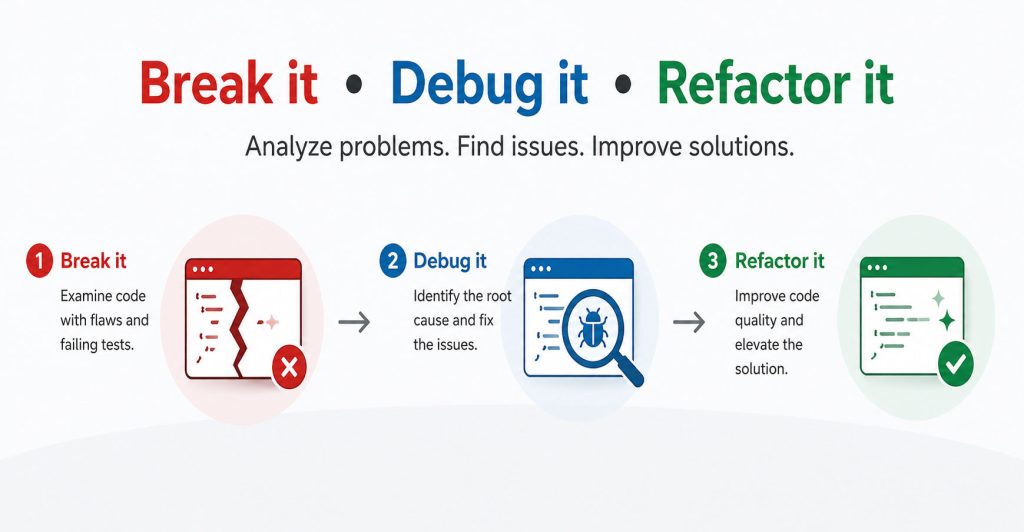
Build Something That Breaks
Not a demo app. A system.
Include:
- Dataverse relationships
- Plugin logic
- External API
Then intentionally:
- Break it
- Debug it
- Refactor it
That’s the closest simulation to the exam.
Use Documentation With Intent
Don’t read everything.
Focus on:
- Plugin pipeline
- ALM concepts
- Integration patterns
You’re not studying—you’re filling gaps.
Validate Your Thinking
Some candidates also rely on curated practice questions to validate their understanding, especially when preparing for scenario-based questions. Resources like https://www.leads4pass.com/pl-400.html can help highlight blind spots—not by memorization, but by exposing weak decision areas.
🤖 AI / Copilot Impact
AI speeds up development. It doesn’t replace understanding.
I’ve tested Copilot-generated logic that:
- Missed edge cases
- Created inefficient queries
- Ignored security constraints
The exam doesn’t test whether you can generate code—it tests whether you can trust it appropriately.
❓ FAQ
Is PL-400 harder than expected?
Yes, mainly because it tests ambiguity.
You’re choosing the best solution, not a correct one. That difference matters more than people expect.
What actually causes most people to struggle?
A gap between knowledge and application.
Understanding features is one thing. Applying them under constraints is another.
Do you really need C# for PL-400?
You can pass without it.
But realistically:
- Plugins
- Custom APIs
- Advanced logic
All become much clearer if you understand C#.
Without it, you’re relying on partial understanding.
Ending
If you prepare for PL-400 by collecting information, you’ll feel overwhelmed. If you prepare by building, breaking, and fixing real solutions, the exam starts to feel familiar. The difference isn’t intelligence—it’s exposure to the kind of problems the platform creates when things stop working the way they should.
Author